How to Maintain Your Rental Property
Key Takeaways
- Set clear maintenance expectations in your lease so residents understand their responsibilities and report issues before they become costly repairs.
- Schedule routine property inspections to identify wear, damage, and maintenance needs before they develop into larger problems.
- Address repair requests promptly and work with qualified professionals to help protect your property and maintain its long-term value.
- Build a dedicated maintenance reserve and plan for seasonal upkeep so your rental is prepared for New Jersey’s changing weather conditions.
Are you a landlord struggling to keep your rental in good condition? Maintaining a rental property isn’t an easy feat.
First, you need to ensure tenants are keeping up with their upkeep responsibilities. And even if they’re great tenants, day-to-day activities are bound to cause wear and tear on the unit. On top of this, unexpected repairs and emergencies can arise at any time.
While you can’t control tenants or prevent all emergencies, you can do your best to keep property damage at a minimum. In this guide, the experts at TPG Management will go over the best strategies to maintain your rental property more effortlessly.
Want More Information About Maintaining Your Rental Property?
Communicate Maintenance Expectations Early On
Renters are the main line of defense for your rental. If they neglect their maintenance responsibilities, your property will suffer the consequences.
That’s why it’s important to make sure tenants understand their responsibilities from the start. You can do this by outlining their upkeep duties in the lease.
This can include the following:
- Vacuuming and mopping floors regularly.
- Taking out the trash frequently, not letting it pile up in the unit.
- Cleaning windows and fixtures.
- Using provided appliances appropriately and cleaning them regularly.
- Cleaning bathroom fixtures (sinks, toilets, bathtubs, and shower heads).
- Dusting the unit and cleaning any dirty surfaces.
- Mowing the lawn or trimming any trees and bushes in the unit.
- Cleaning the gutters and rain drains every other month.
- Informing you of any maintenance issues or repairs promptly.

Additionally, you can include rules in your lease to make sure tenants take good care of your rental. This includes smoking policies, rules and restrictions for painting or renovating the unit, parking rules, and pet policies.
The more detailed you are, the easier it’ll be for tenants to understand what’s allowed, what’s frowned upon, and what their responsibilities are.
Inspect the Property Regularly
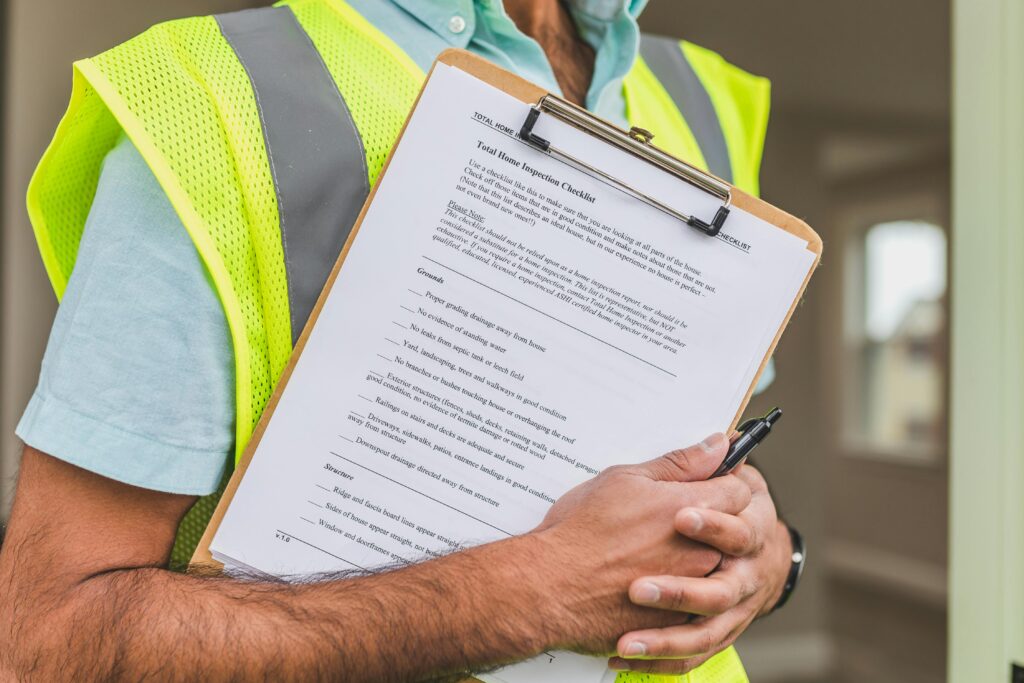
Property inspections are essential for ensuring your property is in good condition. A thorough inspection will uncover tenant-caused damage, cosmetic issues, and maintenance problems that need prompt repairs.
That’s why you should be inspecting your property every couple of months. The more thorough and frequent your inspections are, the easier it’ll be to prevent emergencies and major repairs.
Want to Know More About Your Property?
Avoid DIY-ing Repairs and Partner with a Professional Instead
Unless you have ample construction experience, it’s best to avoid trying to repair or renovate the property by yourself. It’s much better to pay a seasoned contractor to handle the problem at once.
The best way to find reliable professionals is by asking for references from friends, family, or even other local property owners and investors. Alternatively, you can partner with a property management company like TPG Management.
Make Repairs Early On
Landlords are legally required to make repairs promptly. The timeline can vary widely from state to state, typically ranging from 7 to 14 days. However, it’s best to address issues as quickly as within 24 to 72 hours after getting written notice from tenants.
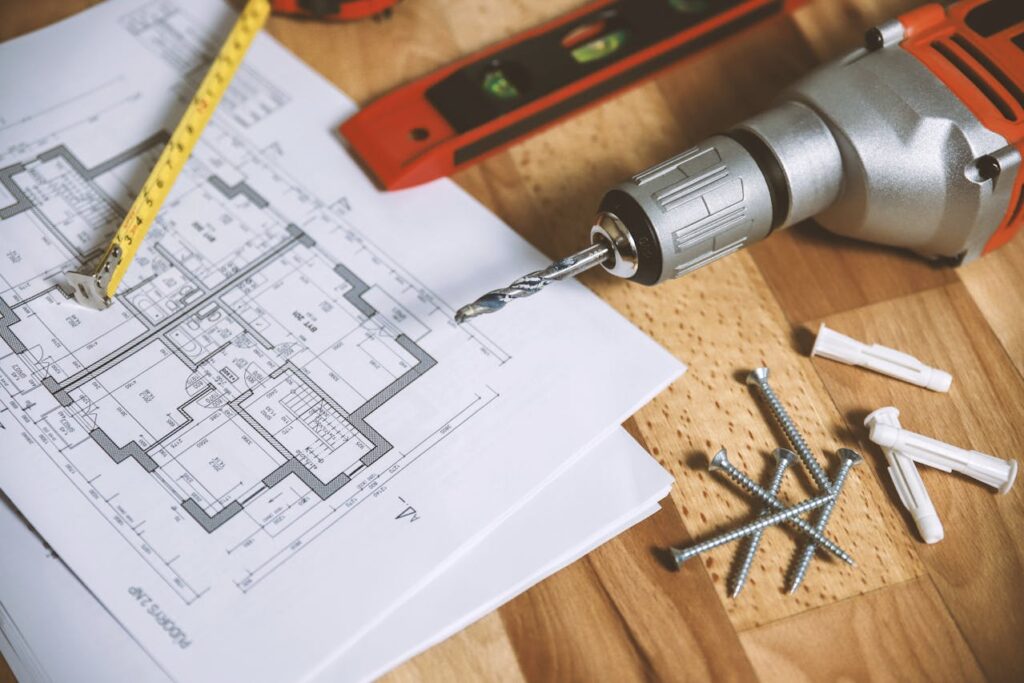
Postponing repairs will only make the issue escalate. A small leak can quickly turn into a plumbing issue or water damage. If you want to keep your rental in top shape year-round, then you need to make sure to address issues as soon as possible.
Budget for Maintenance and Repairs
Maintaining a rental property isn’t cheap. Keeping your rental in top shape will require an ongoing investment, whether to fund ongoing maintenance or repairs.
Maintenance costs can add up over time. If you’re not careful enough, they could easily eat up a good chunk of your earnings. This doesn’t mean that you should postpone maintenance and cut corners to save money.
Instead, you should create a savings fund for maintenance and repairs alone. This way, you’ll have a financial hedge to protect your bottom line.
Want to Know More About Us?
Don’t Forget About Seasonal Maintenance
Every season brings different weather and different challenges for landlords. For example, during the winter, properties are more vulnerable to issues such as frozen pipes and roof damage.
As a landlord, you should aim to understand how the different seasons can affect or damage your rental. This will help you create a game plan to weatherproof your rental and prevent common weather-related damage.
Examples of seasonal maintenance tasks include servicing HVAC systems before summer, scheduling professional landscaping during spring, insulating pipes before winter, and cleaning out the gutters regularly during fall.
Bottom Line
Effective property maintenance is crucial for a successful rental investment. Tenants expect their rental properties to be in top condition.
By regularly inspecting the unit, communicating maintenance expectations with tenants, doing seasonal maintenance, and partnering with seasoned professionals, you’ll be able to keep your rental in top shape year-round with minimal effort.
If you need help maintaining your New Jersey rental property, make sure to contact TPG Management! We work with licensed and insured vendors to ensure your property’s maintenance issues and repairs are resolved promptly and effectively.
Ready to Get Started?
Frequently Asked Questions About Maintaining Your Rental Property
How Often Should Landlords Inspect a Rental Property?
The ideal inspection schedule often depends on the property’s age, condition, lease terms, and applicable New Jersey requirements.
Many owners perform move-in, move-out, and periodic inspections throughout the lease while providing any required notice before entering the property.
Keeping detailed inspection records, including photos and maintenance notes, can also help track the property’s condition over time and support better maintenance planning.
How Much Should I Budget for Rental Property Maintenance?
There is no universal maintenance budget because costs vary based on the property’s age, size, systems, and overall condition. Older properties or homes with aging mechanical systems may require a larger reserve than newer rentals.
Rather than waiting for unexpected repairs, many investors set aside funds throughout the year for both routine maintenance and larger capital expenses.
What Seasonal Maintenance Is Most Important for New Jersey Rental Properties?
Spring and fall are good times to inspect roofs, clean gutters, and service HVAC equipment, while winter preparation may include insulating exposed pipes, checking weather seals, and ensuring heating systems are operating properly.
Summer inspections can focus on cooling equipment, drainage, and landscaping. A seasonal maintenance plan helps reduce weather-related damage and keeps major building systems operating more efficiently throughout the year.
When Should A Landlord Hire A Professional Instead Of Doing Repairs?
Simple maintenance tasks may be manageable for experienced property owners, but licensed professionals are often the better choice for electrical, plumbing, HVAC, roofing, structural, or code-related work.
Professional repairs can help ensure the work is completed safely and in accordance with applicable regulations.
What Are A Property Manager’s Responsibilities For Rental Maintenance?
A property management company’s responsibilities depend on the management agreement, but they often coordinate maintenance requests, schedule repairs, communicate with vendors, oversee inspections, and monitor ongoing property conditions.
TPG Management also works with licensed and insured vendors and provides maintenance coordination as part of its property management services, helping owners streamline repairs while maintaining clear communication throughout the process.
See What We Can Do For Your Property!